






Why Chess Pieces Look the Way They Do: The Design Logic Behind the Staunton Pattern
Why Chess Pieces Look the Way They Do: The Design Logic Behind the Staunton Pattern
The modern chess set may appear timeless and familiar, but its design is the result of centuries of evolution. From the distinctive knight to the recognisable bishop and rook, each piece in a Staunton chess set was carefully shaped to improve clarity, balance, and gameplay. Understanding why chess pieces look the way they do reveals how thoughtful design helped transform chess into the global game we know today.
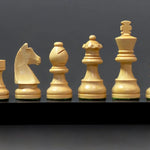
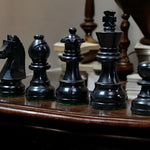
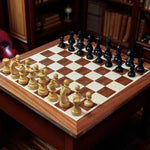
When most people picture a chess set, they imagine the classic Staunton pattern. This style has become the international standard for tournaments, chess clubs, and serious home play. The familiar silhouettes of the king, queen, bishop, knight, rook, and pawn are recognised almost instantly by players around the world.
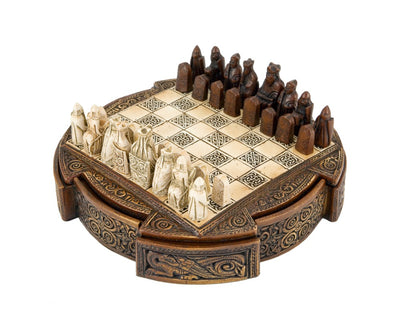
Yet these shapes were not always so clear. Earlier chess sets from different countries often featured ornate pieces that looked beautiful but were sometimes difficult to distinguish during a fast game. As chess grew more competitive during the nineteenth century, players needed a design that balanced craftsmanship with practicality.
The solution came in the form of the Staunton chess pattern, a design that focused on clarity, stability, and recognisable silhouettes. Its influence has been so strong that most modern chess sets still follow the same visual logic today.
The Origins of the Staunton Chess Design
Before the mid-1800s, chess pieces varied greatly from region to region. Sets from Europe, Russia, and Asia often featured elaborate carvings and artistic flourishes. While visually striking, they were not always ideal for practical play.
In 1849, a new chess set design was introduced that changed everything. The Staunton pattern focused on simplicity and recognisability. Each piece was designed with a distinctive shape that could be identified instantly from across the board.
This practical approach quickly gained popularity among players and organisers. Over time it became the accepted standard for tournament chess, and its influence remains dominant to this day.
Why the King Is the Tallest Piece
The king is the most important piece on the chessboard, so it naturally became the tallest. Its height makes it easy to locate instantly, even during complex positions.
The crown or cross on top of the king also reinforces its identity. Even when viewed from a distance, the vertical structure of the piece ensures it stands apart from the rest of the set.
This hierarchy of size is not accidental. By making the king the tallest piece, designers ensured that players could quickly understand the importance of protecting it during play.
The Queen: Power Reflected in Design
The queen is usually the second tallest piece in a chess set. Its crown often features multiple points, symbolising authority and power.
From a design perspective, the queen needed to be easily distinguished from the king while still appearing equally regal. The wider crown and slightly shorter height achieve this balance.
In gameplay terms, the queen is the most powerful piece on the board. The elegance and prominence of its design reflect that importance.
The Bishop and the Famous Mitre Cut
The bishop’s design includes one of the most distinctive features in chess: the diagonal cut across the top of the piece. This detail is often called the “bishop’s mitre,” referencing the ceremonial headwear worn by bishops in traditional church attire.
The mitre cut serves an important visual purpose. It ensures that the bishop can be distinguished instantly from the pawn and other pieces. Even when viewed quickly, the angled slot identifies the piece immediately.
This is a perfect example of how symbolism and practicality combine in chess design.
The Knight: The Most Artistic Piece
The knight is the only chess piece that represents a living creature. Unlike the other pieces, which follow symmetrical shapes, the knight is carved as a horse’s head.
This is why the knight often receives the most artistic attention in a chess set. Skilled craftsmen use the knight to showcase their carving ability and creativity.
Symbolism
The horse represents mobility and unpredictability, matching the knight’s unique movement pattern on the chessboard.
Craftsmanship
The knight’s carving is often considered the hallmark of a high-quality chess set.
Because every knight is hand-carved in traditional wooden sets, slight variations can occur. These subtle differences are often appreciated by collectors and enthusiasts.
The Rook: Strength and Stability
The rook is designed to resemble a castle tower or fortress. Its strong, cylindrical shape and battlement-style top reflect defensive strength.
From a design perspective, the rook needed to be solid and easily recognisable. Its simple geometric form ensures that it stands apart from other pieces while remaining stable on the board.
This stability also reflects the rook’s role in chess strategy. It is a powerful piece capable of controlling entire ranks and files.
The Pawn: Simplicity with Purpose
The pawn is the smallest and simplest piece in the set. Its rounded top and modest height reflect its role as the most numerous piece on the board.
Despite its simplicity, the pawn’s design remains elegant and balanced. Its smaller size ensures that the more powerful pieces stand out visually.
Yet pawns hold hidden importance in chess strategy. Their ability to promote into stronger pieces adds an element of surprise and long-term planning to the game.
Why the Staunton Pattern Still Dominates Chess
More than a century after its introduction, the Staunton chess pattern remains the global standard. The reason is simple: it works.
The design balances beauty with functionality. Every piece has a clear silhouette, stable base, and instantly recognisable shape. This makes it ideal for both casual players and serious competition.
Modern chess tournaments around the world still rely on Staunton-style pieces because they ensure fairness and clarity during play.
For collectors and enthusiasts, the Staunton design also carries a sense of tradition. It connects modern chess to the long history of the game while continuing to provide the best practical experience.
Explore Classic Staunton Chess Sets
If you appreciate the design heritage and craftsmanship behind traditional chess pieces, explore our collection of classic Staunton chess sets and premium wooden boards.
Browse Chess Sets
Leave a comment